Choosing between Shopify and WooCommerce is rarely a matter of "which platform is better." It is an architectural trade-off between managed infrastructure reliability versus unrestricted code and data control.
At CodexveTech, we engineer high-volume systems on both platforms. Below is our engineering breakdown of how each platform performs under real commercial workloads.
| Feature | Shopify (Online Store 2.0) | Custom WooCommerce (PHP 8.3 + Redis) |
|---|
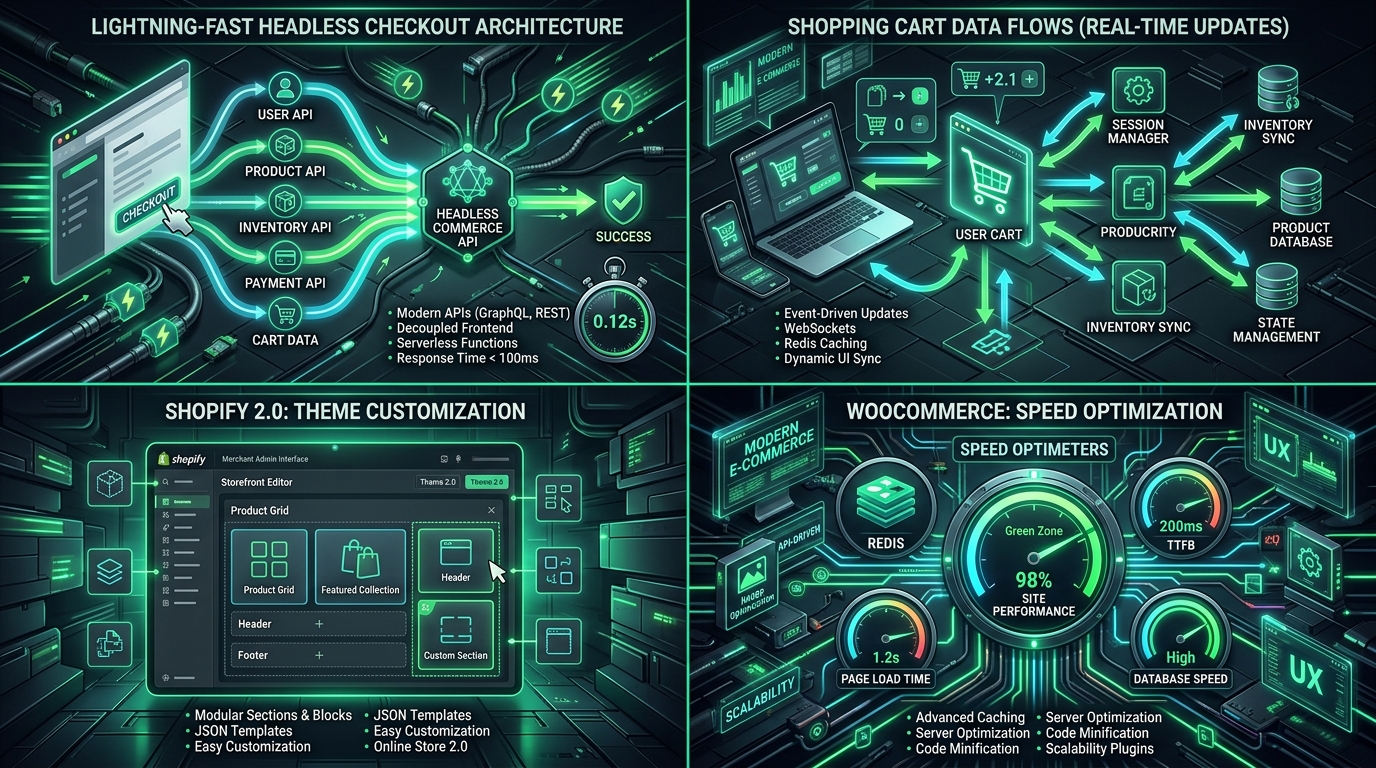
| Hosting & Infrastructure | Fully managed global CDN & serverless edge | Self-hosted (AWS, DigitalOcean, VPS) | |
| Code Ownership | Theme & Private App code owned; Platform proprietary | 100% full source code and database ownership | |
| Checkout Customization | Shopify Functions & Checkout UI Extensions (Plus) | Unrestricted custom PHP/JS single-page checkouts | |
| Database Architecture | Closed proprietary GraphQL/REST API | Direct MySQL access with custom tables & indexes | |
| Peak Traffic Resilience | Built-in flash sale autoscaling | Requires Redis Object Cache + NGINX tuning | |
| Transaction Fees | Additional fee if third-party gateway used | Zero platform transaction fees | |
For direct-to-consumer (DTC) brands running massive paid ad campaigns or flash sales, Shopify's infrastructure is virtually unmatched. The checkout pipeline handles thousands of transactions per minute without provisioning custom load balancers.
When an enterprise retailer requires bespoke business logic—such as tiered wholesale pricing matrixes, offline warehouse inventory bridges, or specific regional payment gateways—Shopify's closed ecosystem can introduce friction.
With custom WooCommerce:
- You have direct access to database schemas, allowing asynchronous delta sync workers.
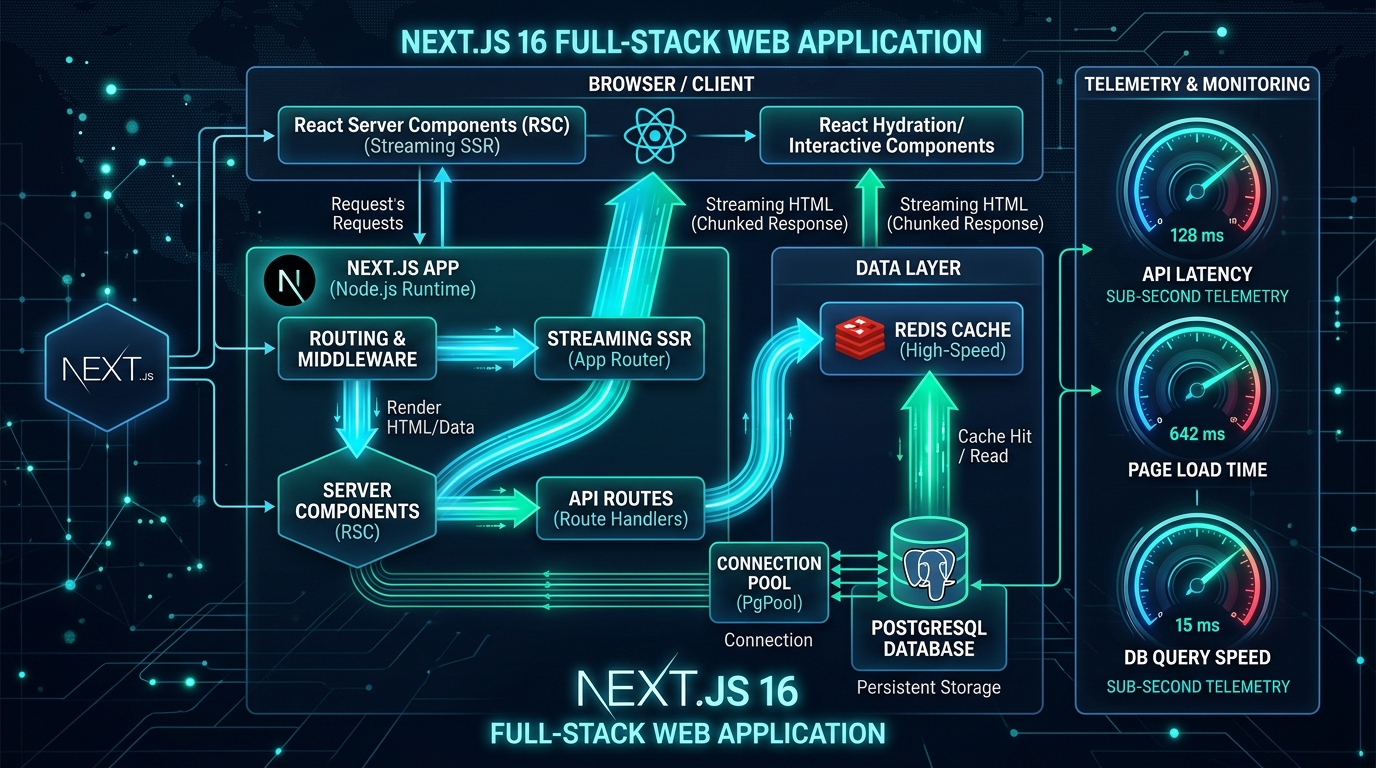
- You can deploy Redis Object Caching to reduce database queries by up to 75%.
- You eliminate recurring percentage-based platform fees on high-volume revenues.
- Choose Shopify 2.0 if you want zero infrastructure maintenance, fast deployment, and high checkout reliability.
- Choose Custom WooCommerce if you need full data sovereignty, complex B2B workflows, or deep custom ERP integrations with zero platform lock-in.